
Serviced apartments are furnished residential units offered with hotel-like services and the facilities of a rental property. They typically provide a self-contained living space—sleeping area, kitchen or kitchenette, and living area—combined with managed services such as reception, maintenance, and periodic cleaning. The model is positioned between transient hotel stays and traditional longer-term rentals: occupants often retain more domestic features than a hotel, while retaining shorter commitments than a standard residential lease.
These accommodations can be operated by hospitality groups, specialised serviced-apartment managers, or independent landlords offering managed short- to medium-term lets. Contract terms may vary from nightly to monthly arrangements, and included services (utilities, linen, internet, cleaning) often differ by operator. The level of formality in booking, payment, and documentation can also diverge from typical residential tenancies, affecting deposits, notice periods, and invoicing practices.
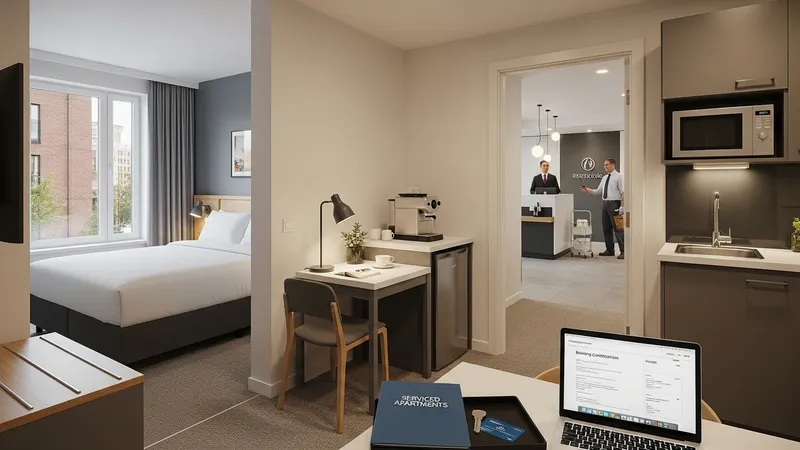
Compared with hotels, serviced apartments typically prioritise in-unit living features such as kitchens and larger living spaces; compared with traditional rentals they often offer shorter minimum stays and bundled services. Booking channels can range from direct operator platforms to third-party marketplaces; contractual clarity about utilities, cleaning schedules, and damage deposits may vary. Legal classification can differ by jurisdiction, which can influence taxation, zoning, and permitted short-term use. These distinctions mean that availability, pricing structure, and guest expectations may shift depending on operator type and local regulation.
Operationally, housekeeping and service levels may be scheduled rather than continuous: many serviced apartments include weekly or biweekly cleaning by default, with options for additional housekeeping at extra cost. Reception and maintenance support can be available during limited hours or 24/7 depending on property design and management model. Security arrangements may include key-card access, CCTV in common areas, and on-site staff. Users often balance the convenience of managed services against the privacy of a self-contained apartment and should note how service frequency and scope can affect overall cost.
Price presentation for serviced apartments often uses multiple billing models: nightly rates for short stays, weekly or monthly tariffs for extended occupancy, and sometimes tiered pricing based on included services. Monthly billing may incorporate utility allowances, internet, and periodic housekeeping; by contrast, nightly bookings may include cleaning fees and local taxes added at the time of reservation. Because operators set their own inclusions, comparison on a like-for-like basis requires attention to what is bundled—furniture, linens, utilities, internet, and management fees all influence the total cost of occupancy.
From a suitability perspective, serviced apartments may appeal when occupants need more living space, a kitchen, or a setup conducive to remote work for periods that are longer than a typical hotel stay but shorter or more flexible than a conventional lease. They may also serve temporary workplace relocations, project assignments, or transitional housing needs. Regulatory and tax treatment can differ by city and country, and in some markets operators register differently than hotels or long-term rentals; these distinctions can affect consumer protections, registration requirements, and local charges.
In summary, serviced apartments occupy an intermediate position between hotels and traditional rentals: they combine residential features with managed services, offer a range of booking durations, and are provided through varied operating models such as branded chains, aparthotels, and corporate housing. Selection and cost depend on included services, contract length, and local regulatory context. The next sections examine practical components and considerations in more detail.
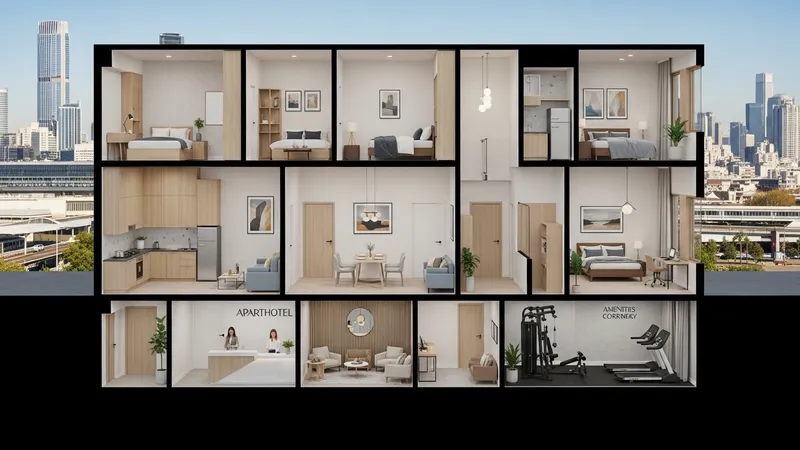
Unit configurations in serviced apartments typically include studio, one-bedroom, and multi-bedroom layouts with fully or partially equipped kitchens. Aparthotels often present compact studio units alongside larger apartments with separate living and sleeping areas, while corporate housing commonly focuses on one- to three-bedroom units intended for monthly occupancy. Furnishing standards may vary from basic essential furniture to more fully appointed interiors; inventory lists often document items such as kitchenware, bedding, and basic appliances. When comparing types, consider how room layout, storage, and dedicated workspace align with intended use, such as extended business stays or family relocation.
Some operators provide flexible combinations of private and shared facilities: private apartments with access to communal amenities (gym, lounge, laundry) are common. Aparthotels may centralise services like breakfast or a reception desk, whereas independently managed serviced apartments may rely on third-party service providers for cleaning or maintenance. The distribution of space, presence of a separate kitchen, and availability of a work area can influence suitability for remote work. In urban markets, unit sizes may be smaller but strategically located near transport and business districts, affecting convenience for short- and medium-term occupancies.
Typical inventory and condition checks are important considerations for occupants. Many operators supply an inventory list at check-in or move-in to record furnishings and appliance condition; this can be relevant for deposit handling and damage assessments. For longer stays, the durability and adequacy of kitchen equipment, laundry access, and storage can materially affect comfort. Operators may offer optional upgrades—additional linens or cookware—on an a la carte basis, and clarity on what is included reduces ambiguity during occupancy.
Usage patterns across global urban centres often show varied demand by unit type: studios and one-bedroom units may be more commonly booked for short business trips, while multi-bedroom apartments are often used by relocating families or teams. Industry reports frequently indicate a rise in demand for accommodation that supports remote work, which can affect unit design preferences such as reliable internet and dedicated desks. These patterns suggest occupants should match unit configuration to intended daily routines, not only sleeping arrangements, before committing to a stay.
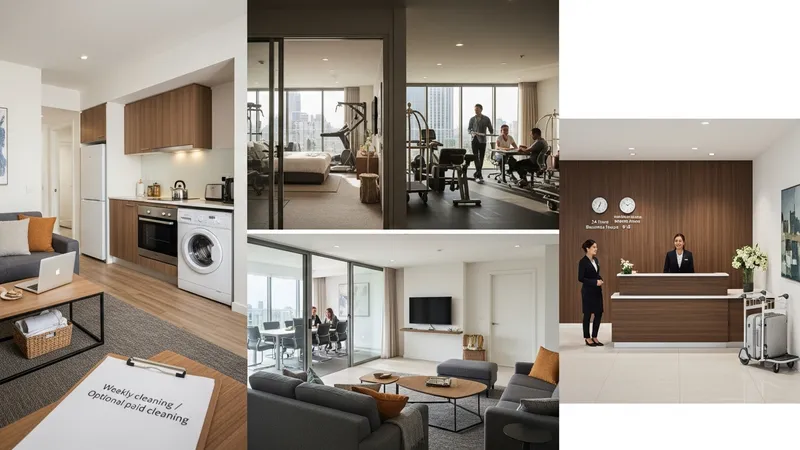
Serviced apartments commonly offer a different mix of amenities compared with hotels. In-unit kitchens, laundry facilities, and larger living spaces are typical; on-site amenities may include fitness rooms, communal lounges, or meeting areas. Hospitality-style services such as reception desks, concierge, or daily housekeeping are present in some aparthotel models but may be limited or scheduled in other serviced-apartment types. Understanding which services are included—cleaning frequency, linen changes, maintenance response times—helps to compare options on a like-for-like basis.
Housekeeping practices often follow a set schedule, such as weekly cleaning, with more frequent cleaning offered as an additional service. Hotels commonly provide daily room service as standard; by contrast, serviced apartments may reduce daily intrusion by design and substitute it with self-service laundry or optional paid cleaning. Maintenance and emergency contact procedures may also differ: larger branded operators frequently maintain 24-hour support, while smaller operators may operate on business-hour schedules. These operational differences can affect perceived convenience, privacy, and overall running costs during a stay.
Communal amenities can influence the choice between serviced apartments and hotels. Properties that include shared workspaces, meeting rooms, or business centres may better support extended stays with professional needs. The availability and quality of building-level services—secure access, parcel handling, and parking—can vary considerably and should be confirmed beforehand. Where service levels are critical, occupants may prioritise properties with documented service standards or clearer escalation channels for issues, noting that these features typically correlate with higher management overhead and pricing.
Providers may also differ in hospitality protocols such as check-in flexibility and guest registration. Aparthotels often mirror hotel front-desk procedures with fixed check-in times, whereas serviced apartments intended for monthly occupancy may allow more flexible move-in arrangements. For longer stays, confirm how utilities, internet installation, and waste collection are handled, as these operational details can affect daily living. Considering housekeeping frequency, front-desk availability, and communal amenity access as part of total cost and convenience can guide a more informed selection.
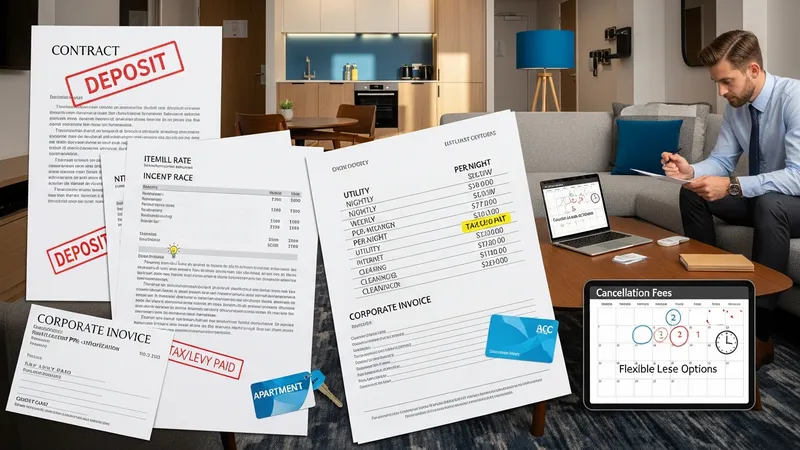
Pricing models for serviced apartments typically include nightly, weekly, and monthly rates, with monthly tariffs often offering lower per-night equivalents for extended stays. Some operators quote inclusive prices that cover utilities, internet, and a set number of cleanings; others separate these items as additional charges. Cancellation and modification terms can vary: short-notice changes to nightly reservations may attract fees, and longer-term contracts can specify notice periods for early termination. Clear comparison of what is included in a rate is important when estimating the total cost of occupancy over a given period.
Deposit and billing practices often differ from standard residential leases. Short-term stays may require a pre-authorisation or security deposit held against incidentals, while monthly agreements may require an upfront security deposit and the first month’s rent, sometimes accompanied by references or corporate invoicing for business clients. Tax and local levies may apply differently depending on classification as a short-stay accommodation or long-term rental, so occupants should check invoicing details and any local service charges that may be added to advertised rates.
Lease flexibility is a defining feature for many serviced-apartment models: operators may permit stays from a few nights to several months without a conventional long-term lease. However, flexibility often comes with trade-offs in pricing and availability; fully flexible nightly bookings can be more expensive per night than committed monthly stays. For occupancies that may change in duration, clarify extension procedures, price adjustment policies for rollovers, and any minimum-stay requirements that might apply during peak demand periods to avoid unexpected rate changes.
When comparing total cost between hotels, serviced apartments, and traditional rentals, factor in non-rent expenses such as utility charges, cleaning fees, and replacement fees for damaged inventory. For longer stays, negotiated monthly billing or corporate arrangements can sometimes simplify invoicing and may include administrative services. Understanding how charges are itemised and what triggers additional fees (extra cleaning, guest additions, early termination) helps in forecasting occupancy costs more accurately rather than relying solely on headline nightly rates.
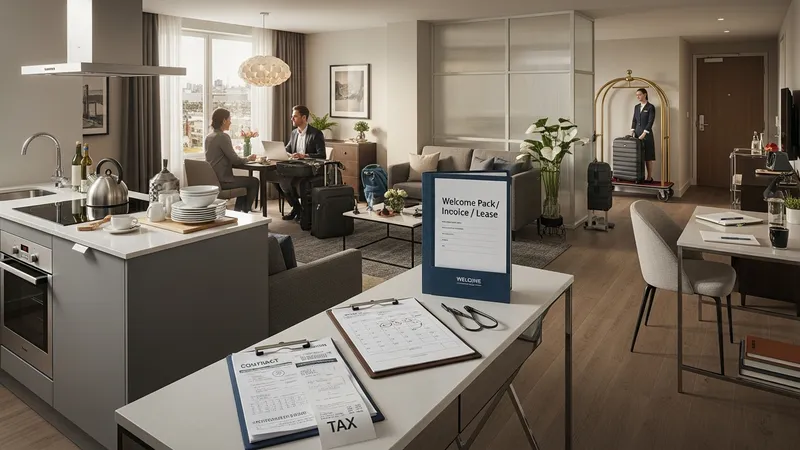
Serviced apartments may be suited to occupants needing more domestic facilities than a hotel provides—especially kitchens and separate living areas—while retaining shorter commitments than a standard lease. For short business trips, aparthotels with reception services can offer convenience similar to hotels; for medium to long stays, corporate housing and branded serviced apartments may provide kitchen facilities and a more homelike environment. Decision factors commonly include intended length of stay, requirement for workspace, family or team size, and whether bundled services such as utilities and cleaning are preferred for administrative simplicity.
Regulatory and contractual aspects should inform selection. In some jurisdictions, short-term letting rules differ from long-term tenancy laws and can affect registration requirements, occupancy limits, and tax treatment. Occupants staying for months may want clarity on notice periods and deposit handling to avoid unexpected obligations. For business arrangements, invoice and billing formats, eligibility for corporate rates, and liability terms for damage or extra guests are practical considerations that may influence whether a serviced apartment or another accommodation type better matches the occupancy profile.
Operational practicalities also matter: reliable internet speeds, kitchen functionality, laundry access, and maintenance responsiveness often determine daily comfort during extended stays. Where remote work is expected, confirm workspace ergonomics and connectivity service levels. For families or groups, storage, multiple bathrooms, and proximity to schools or transport can be decisive. Considering these practical elements alongside pricing and contract terms typically gives a clearer picture of fit than relying on headline descriptors alone.
In closing, choosing between a serviced apartment, a hotel, or a traditional rental commonly involves weighing space and amenities against service inclusion and contract flexibility. Serviced apartments can bridge some gaps between hospitality and residential models, but offerings vary widely by operator and location. Reviewing inventory lists, service schedules, billing inclusions, and regulatory treatment can aid in identifying the accommodation type that aligns with occupancy needs and administrative constraints for the intended duration of stay.