
Are you aware that private healthcare facilities are pioneering life-saving surgeries with a success rate that puts traditional hospitals to shame? This revolution in the medical field is changing lives every day.
In a world where healthcare systems are overwhelmed, private healthcare and personalized treatment plans have never been more crucial. The future of medical care is being rewritten, and the implications for our well-being are profound.

Imagine a world where surgery isn't just a necessity but an experience tailored uniquely to you. Private healthcare facilities leverage technology and top talent to provide this, making it all the more important that we understand and appreciate this shift. Personalized care means more than comfort; it’s about achieving the best outcomes. But that’s not even the wildest part…
Statistics reveal that patients in private healthcare settings not only recover faster but also report higher satisfaction levels post-op. Yet, it’s the secret mechanism behind these successes that surprises even the industry veterans. What if the cure to what ails the healthcare industry isn’t more hospitals, but better hospitals? But that’s not even the wildest part…
As technologies advance and personalized care becomes the standard, the dynamics of healthcare are set to change drastically. However, the most astonishing element of this shift remains undiscovered to the general public. What happens next shocked even the experts…
Technology in surgery has evolved from rudimentary tools to highly sophisticated robotic systems. Robots assist surgeons with precision, making smaller incisions and reducing recovery time. While many anticipated digital tools, the speed at which they’ve integrated has been unexpected. The outcomes are telling — patients recover significantly faster. But there’s one more twist in this tech tale…

What many don't realize is the level of personalization that comes with tech integration. AI systems can analyze patient data to suggest individualized surgical plans, a feat once thought impossible. This tailoring edges out the one-size-fits-all approach of the past, challenging the status quo in surprising ways. What you read next might change how you see this forever.
Private facilities often have the edge with these technological advancements, leading the charge with surgeries that dramatically improve quality of life. What surgeons accomplish today was unimaginable a decade ago, cementing a future where personalized care will become the norm. But there’s one more twist…
Despite advancements, the debate on accessibility remains. While technology enhances surgical outcomes, the gap between who gets access remains a concern. However, the leap forward is encouraging, pushing the conversation on how personalized care could become universally accessible. What you read next might redefine the future of healthcare.
The period following surgery is as crucial as the operation itself, and private healthcare facilities excel in offering personalized post-op care. This tailored approach includes personalized nutrition plans, exercise regimes, and psychological support, all crafted for unique patient needs. But there’s an aspect of this care that many overlook…

Recovering in a supportive environment doesn’t just heal the body; it fuels the soul. Personalized post-op care is more than a comfort; studies show it significantly boosts recovery rates and reduces the stress typically associated with surgical recovery. The holistic approach employed exploits every advantage to enhance healing. There's a revelation unfolding in post-op recovery…
Surgeons and post-operative teams in private care are constantly innovating. From virtual reality therapies for pain management to custom rehabilitation programs, the unseen layers of personalized post-op care are as intricate as they are effective. These innovations surprise even the most seasoned healthcare professionals. But there's one more piece to this puzzle…
While hospitals run on general protocols, private facilities break down those barriers by designing post-op plans that cater uniquely to each patient. Conundrums arise when one considers how public healthcare systems could similarly adapt and equally distribute such care. What lies ahead might just shift perspectives entirely.
Affording private healthcare might seem daunting, but with financial transparency, many find it well within reach. Unlike traditional systems with hidden costs, private facilities often offer clear, comprehensive pricing models. But this financial aspect of healthcare has a hidden layer…

Contrary to popular belief, these transparent models can lead to significant savings over time, especially when considering the accelerated recovery rates associated with personalized care. Patients are increasingly making informed decisions that prioritize value over spending. What’s overlooked, however, is the long-term investment in health…
Private healthcare often includes a range of services bundled into one price, which, when tallied against potential hidden costs in public healthcare, provides not just peace of mind but financial predictability. There’s a fiscal revelation waiting to be discovered here…
The narrative of pricey private care overlooks the potential for insurance compatibility and long-term savings. These systems are not just managing costs, but also investing in enduring health outcomes. Considering this, aligning with private care could make fiscal sense, but there's another angle to consider…
The success rates of surgeries within private settings are frequently highlighted, but the underlying reasons are what make the statistics so intriguing. Beyond the numbers lies a dedication to continuous improvement and innovation, factors that propel these facilities to excel. Think it’s just about resources? There’s a surprising twist…
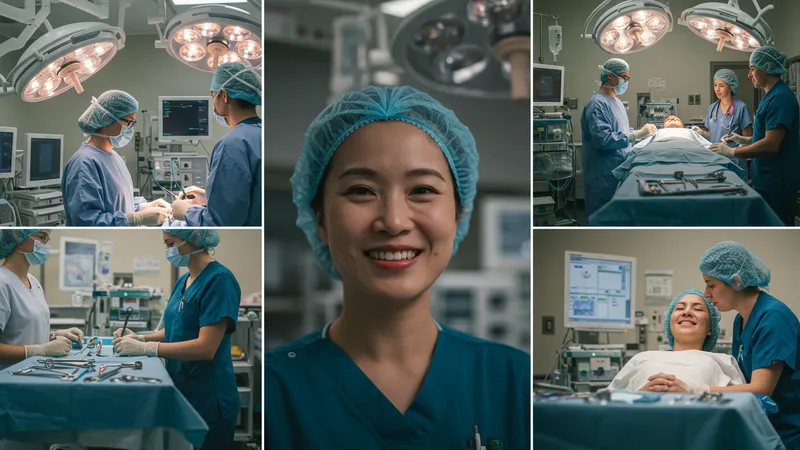
It’s the fusion of technology, talent, and personalized care that drives these outcomes, outperforming public counterparts. While many focus on surgical prowess, it’s the pre-and post-op care that further defines the high success rates. If only more knew about this three-pronged approach…
The competition to achieve excellence within private facilities fuels a culture of innovation and excellence. This push drives extraordinary results, from advanced training programs to state-of-the-art equipment use. But isn’t it just about having the best gear? Consider this…
The philosophy of continuous learning and adaptation embodies the private healthcare industry, often setting trends that others aspire to follow. As this model gains traction, there’s another potential takeaway that could redefine patient choice. What comes next could be pivotal for patient choice and care standards.
Within the spectrum of healthcare options, having more choices might sound beneficial, yet it can overwhelm patients. Private care streamlines these options through expert guidance, not merely reducing choices but enhancing decision-making quality. But what’s the catch here?

Many patients find that having too many choices can lead to decision fatigue, where making the right choice feels impossible. Private healthcare mitigates this by simplifying pathways and providing expert navigation. Yet, an intriguing debate unfolds…
Curated care paths help eliminate choice anxiety, placing emphasis on what truly matters for the patient’s health. Patients find solace in knowing their journey is guided with precision and thoughtfulness, but there’s an unanticipated angle…
Contrary to the perception of limited choice, private care’s refined pathways often offer the depth and customization genuinely required. While choice is an illusion of freedom, focused care serves true liberation. There’s a hidden truth in how choice impacts healthcare experiences that few see…
Telemedicine is redefining healthcare delivery by removing geographical boundaries, an area where private healthcare facilities are at the forefront. From consultations to follow-ups, this approach integrates seamlessly with personalized care. But there’s an unexpected challenge here…

While convenience is a significant advantage, telemedicine also fosters a global network of medical professionals, providing patients with unparalleled access to specialists. However, the intricate details of these networks pose unique challenges not initially apparent…
Efficiency doesn’t merely come from removing distance but through streamlined digital solutions that ensure patient data is secure and accessible only to authorized personnel. The complexity of safeguarding this information underscores a critical concern in this evolution…
The bridge telemedicine creates between patients and personalized care is a beacon for the future. Yet, it’s the underbelly of technology use, from data breaches to authenticity of care, that presents an evolving discussion. Where this advance leads, may unmask further revelations.
At the helm of personalized healthcare are dedicated staff whose expertise propels patient care to newfound heights. These professionals bring a wealth of knowledge, ensuring every patient receives undivided attention. But there’s a lesser-known element to this dynamic…

Specialized staff are not just caregivers but advocates for patient welfare, often tailoring treatments based on lifestyle and personal preferences. This level of care shifts paradigms in patient satisfaction and outcomes, yet more unfolds…
The bond formed between patients and their caregivers in private settings is pivotal; it fosters trust and transparency, crucial for successful healthcare outcomes. These essentials of care reveal an undervalued aspect of healthcare experiences…
Continuing education and training are hallmarks of private care staff, ensuring they remain at the pinnacle of medical science and Humane treatment. This proactive approach is integral yet often under-discussed. How these elements interact may hold the keys to future healthcare success.
Private healthcare facilities offer patients autonomy, fostering empowerment through active participation in their healthcare choices. Empowering patients is not merely an aspiration but a demonstrated practice here. But can autonomy tip the scales too far?

By arming patients with knowledge and choice, they become advocates for their health, influencing care direction. It’s a powerful shift, yet the magnitude of this empowerment raises intriguing questions about patient agency limits…
Information is power, and in private settings, this ethos is embraced wholeheartedly. Patients equipped with tailored insights can make informed choices, yet the nuances of this empowerment reveal complexities often overlooked…
Empowering patients is essential for positive health outcomes, but the balance between guidance and autonomy must be delicately managed. As private care models continue to lead in this area, new challenges and solutions continually emerge. Where this empowerment trend leads, could redefine healthcare norms globally.
It’s often said that half the battle is attitude. In private healthcare, the psychological dimensions of healing are well acknowledged, offering bespoke mental health support. Yet, there’s more to this story than initially meets the eye…

The tranquil settings of private facilities promote healing from within, far beyond physical treatments. Patients report feeling more at ease and subsequently heal quicker. But the unseen side-effect of this mental peace could surprise you…
Mental health is an integral part of the recovery process, acknowledged in private care through comprehensive psychological services. These services play a pivotal role in empowering patients to approach recovery more holistically. The deeper implications are worth exploring further…
Breaking the stigma surrounding mental health allows private care to leverage psychological insights for recovery success, reconnecting health systems worldwide. This approach symbolizes a shift in healthcare thinking towards a more inclusive and compassionate narrative. What lies beyond this could influence global care norms.
In professional healthcare, patient feedback is gold, and in private care, it’s a catalyst for consistent evolution. Facilities that listen build a cycle of improvement and innovation. But is listening enough to drive change?

Feedback loops empower facilities to refine treatments, adjusting based on real-world experiences. This methodology not only elevates care standards but also empowers patients. However, beneath this effective strategy lies a less explored question…
Harnessing feedback goes beyond satisfaction surveys; it delves into actionable insights driving future healthcare advancements. Knowledge distilled here translates into real, beneficial change for all. The profound influence of structured feedback mechanisms remains vital…
Patient voice is invaluable, ensuring care evolves alongside patient needs, fostering a collaborative model that few public systems replicate. As private facilities set benchmarks, how they navigate these changes will shape healthcare landscapes across sectors. What new methods might be discovered in the future from these evolving paradigms?
Ethical considerations are paramount in any medical setting, with private healthcare emphasizing moral integrity. This focus fosters a culture of trust, yet ethical complexities underlie nuanced debates in private setups. How do they differ?

Beyond superior options, ethical rigor ensures patient trust isn’t only earned but deserved. This trust changes the dynamics within facilities, influencing wider societal standards. But as ethics become central, deeper debates emerge…
Private healthcare faces unique ethical challenges, balancing patient autonomy with societal responsibility. This dyad decides how far private facilities can push innovations while remaining ethically grounded. The cardinal principles guiding their commitment can hold a mirror to broader issues…
Transparency in operations and patient dynamics further secure private healthcare’s ethical standing. As technology continues to push boundaries, aligning ethical guidelines with innovation becomes vital. The ongoing dialogue is one to watch closely; its outcomes may dictate future healthcare directions.
Staying in a hospital isn’t typically associated with comfort, but private care changes this narrative with hotel-like accommodations. This emphasis on comfort carries unexpected psychological and physical benefits. What’s the science behind this shift?

Comfortable surroundings boost mental well-being, indirectly aiding physical recovery. Patients feel valued, and the bespoke design makes recovery less clinical and more homely. Beyond comfort, another factor sparks interest…
Attention to detail in patient environments reflects an investment in holistic care models. From customizable menus to tranquil views, private care transforms traditional inpatient experiences into memorable chapters of recovery. Yet, a deeper story unfolds…
The move toward luxury isn’t mere indulgence. Enhancements in patient environments can accelerate healing. As patient-first philosophies take hold, the profound dividends on well-being resurface. The potential to revolutionize traditional patient stays looms large.
While exclusive now, the personalized care model of private healthcare holds potential as a catalyst for universal change. The path there entails scaling technologies and policies revolutionizing care. However, roadblocks to this aspiration remain…

The push for universal application requires significant adaptation, focusing on affordability and accessibility. If achieved, it could redefine healthcare by aligning everyone’s unique needs with advancements. That said, the effort is daunting…
Innovations in private health might inspire public sectors, prompting collaboration over competition. By sharing efficiencies and policies, they enhance the collective healthcare landscape. This synergy is pivotal for long-term success. But is it achievable on a grand scale?
As the dialogue around universal personalized care progresses, fostering a cooperative environment becomes necessary. The journey promises as much skepticism as optimism, its potential ripples far and wide. The realization of this vision could transform healthcare systems in ways yet unimagined.
The potential of private healthcare to revolutionize industry standards is undeniable. By choosing personalized care, you're choosing quality, innovation, and a forward-thinking approach to health that could inspire change across every healthcare sector. Bookmark this article, share these insights, and consider championing a future where personalized healthcare is the norm. Discover what your healthcare future might look like and step into the revolution with both eyes open.