
Virtual assistant work refers to remote professional roles that provide administrative, technical, creative, or specialised support to clients or organisations. These roles can be structured as part-time schedules, full-time arrangements, or finite project-based contracts. Tasks commonly include calendar and email management, data entry, content support, customer correspondence, social media coordination, basic bookkeeping, and other duties that can be performed remotely using digital tools. The term covers a spectrum of engagement models, from ongoing retained support to discrete assignments with defined deliverables.
Work under these arrangements often varies by scope, expected response time, and the degree of autonomy granted to the remote worker. Part-time positions may focus on a narrow set of recurring tasks with flexible hours, while full-time arrangements typically involve a broader remit and more integration with team workflows. Project-based engagements may concentrate on a single deliverable such as website setup, a marketing campaign, or a data migration, with completion tied to milestones or a final handover. Compensation, communication norms, and evaluation metrics commonly differ across these formats.

Comparing part-time, full-time, and project-based arrangements involves assessing time commitment, integration, and stability. Part-time roles may offer schedule flexibility and are often suited to specialists who allocate limited hours across multiple clients. Full-time arrangements typically require closer alignment with an employer’s working hours and processes and may involve more consistent workloads. Project-based engagements often define duties, timelines, and deliverables in advance, which can simplify scope management but may require bursts of concentrated effort. Each format may attract different contract terms and communication expectations.
Common responsibilities across these remote roles can include routine administrative tasks, client-facing communication, content support, and specialised functions such as bookkeeping or basic technical assistance. Required skills often combine digital literacy, written communication, time management, and familiarity with common collaboration platforms. Many remote roles also call for problem-solving and the ability to prioritise tasks independently. Skill requirements typically vary with the complexity of assignments and the level of autonomy expected by the client or employer.
Communication tools and remote work practices tend to shape how these roles are executed. Typical toolsets may include videoconferencing platforms, shared document editors, project management software, and secure file-sharing services. Working norms often specify response windows, meeting frequency, and deliverable formats. Security considerations such as use of strong passwords, two-factor authentication, and careful handling of confidential data are commonly mentioned in engagement terms. These practices may evolve based on the size of the client organisation and the sensitivity of assigned tasks.
Scheduling flexibility and professional development are often part of the remote work landscape. Part-time and project-based arrangements may permit varied hours and asynchronous communication, while full-time roles may require adherence to a defined workday. Workers sometimes pursue training in specialised tools, certification courses, or portfolio development to expand the range of services they can offer. Such development typically supports role diversification and may affect how tasks are priced or scoped. The next sections examine practical components and considerations in more detail.
Remote support roles are often categorised by the primary functions they perform and the engagement model used. Administrative-focused positions typically centre on scheduling, correspondence, and document handling; creative support roles concentrate on content production and social media coordination; and technical support positions address software configuration or basic IT maintenance. Engagements can be part-time, where a reduced weekly hour commitment is typical; full-time, with consistent hours and deeper integration; or project-based, defined by deliverables and duration. Understanding these classifications may help clarify expectations for scope, scheduling, and evaluation.

Role specialisation may influence how work is allocated and compensated. For example, bookkeeping or bookkeeping-adjacent tasks often require familiarity with specific software and periodic reconciliation routines, which can shape hourly or per-project arrangements. Social media support can be organised around campaign timelines and content calendars, potentially aligning with project-based contracts. Administrative coordination is frequently ongoing, making it amenable to recurring part-time or full-time engagement. Each arrangement may also carry different onboarding and reporting practices, depending on client preference and complexity.
Distribution of responsibilities within organisations or across clients may follow structured handoffs or asynchronous task lists. In multi-client part-time setups, workers often use time-tracking and task-management tools to partition effort across accounts. Full-time remote roles frequently interact with internal teams through scheduled meetings and shared workflows, while project-based roles may rely on milestone check-ins and task-based approvals. These patterns can influence turnaround expectations and the frequency of status updates, which are commonly specified in engagement terms rather than assumed.
When evaluating types of roles and arrangements, consider that market listings and surveys often report a wide range of hourly and project pricing depending on skill level, region, and platform. Availability and typical response-time expectations may also vary: some clients expect near real-time collaboration, whereas others accept asynchronous work. These distinctions may affect workload pacing and the choice of collaboration tools. The following page explores typical responsibilities and skill sets in more detail.
Core responsibilities often include calendar and email management, document preparation, client communication, data entry, and basic research tasks. Specialized responsibilities may cover social media scheduling, content drafting, bookkeeping entry, spreadsheet analysis, or light technical maintenance. The depth of responsibility generally aligns with the engagement model: full-time arrangements may entrust broader or recurring oversight, while project-based work tends to target specific deliverables. Role descriptions commonly list deliverables and preferred tools to ensure alignment before work begins.

Skills commonly associated with remote support roles include written communication clarity, time management, ability to learn and use collaboration software, and attention to detail. Familiarity with widely used tools—such as shared document platforms, calendar applications, and project-management software—may be expected. For specialised functions, additional competencies such as basic accounting knowledge, content creation, or technical troubleshooting can be required. Proficiency levels typically influence how tasks are priced and the degree of supervision needed.
Organisational and client-facing abilities can be as important as technical skills. Effective task prioritisation, concise status reporting, and basic client etiquette often determine how smoothly engagements proceed. Many remote roles include recurring administrative duties that require consistent processes and file organisation. Workers and clients commonly establish conventions for file naming, version control, and communication channels early in an engagement to reduce friction and clarify responsibilities.
Training and upskilling pathways may include short courses, tutorials for specific software, or practice with mock client scenarios. These pathways are usually pursued to expand task scope or increase efficiency rather than as guarantees of career advancement. When considering skill development, workers often balance time invested in learning against the complexity of roles they aim to take on. The next page examines common tools and remote practices used in these arrangements.
Remote roles typically rely on a combination of synchronous and asynchronous communication tools. Videoconferencing and instant messaging enable real-time collaboration, while email and shared documents support asynchronous workflows. Project-management platforms are often used to assign, track, and prioritise tasks across multiple engagements. Choice of tools commonly depends on client preferences, the need for version control, and the scale of coordination required. Familiarity with a few commonly used platforms may streamline onboarding into different environments.
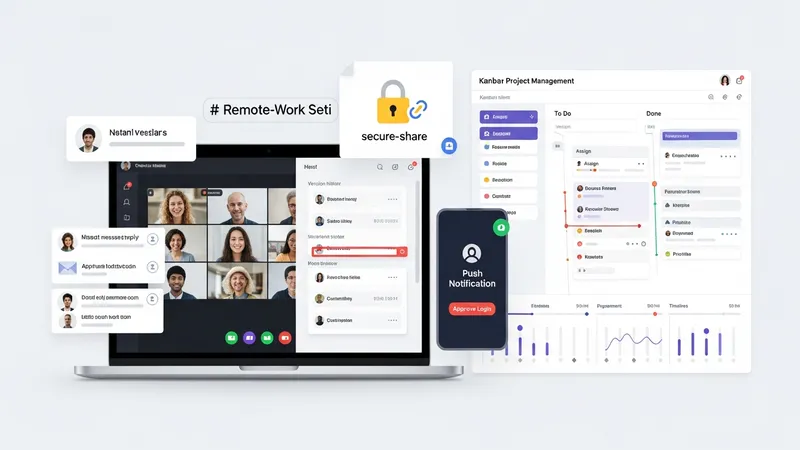
File security and data handling practices are frequently addressed in engagement terms. Simple measures such as using secure file-sharing links, two-factor authentication, and role-based access can reduce risk when handling sensitive information. Clients and remote workers often agree on document retention policies and backup routines to maintain continuity. These practices are typically framed as considerations for responsible remote work rather than prescriptive mandates, and they may evolve with organisational policies and tool capabilities.
Time-tracking and productivity practices may vary by arrangement. Some engagements specify hourly tracking for invoicing and scope verification, while project-based work might use milestone approvals and deliverable sign-offs. Workers sometimes adopt consistent logging of hours and task summaries to support transparency and reconcile expectations with clients. Such documentation can also serve as a basis for periodic reviews or to inform adjustments in scope and scheduling.
Onboarding processes and standard operating procedures (SOPs) are often beneficial in multi-task or multi-client setups. SOPs may include step-by-step guides, templates, and standard reply formats that facilitate consistency and reduce repetitive decision-making. When used, these resources can help maintain service quality across different engagements and make it easier for others to review or continue work if needed. The final page discusses scheduling flexibility and professional development considerations.
Scheduling arrangements commonly reflect the nature of the engagement. Part-time roles may allow for more flexible hours and asynchronous communication, enabling workers to manage multiple accounts or balance other commitments. Full-time roles usually require alignment with a client’s core hours and may involve fixed meeting schedules. Project-based work can involve concentrated periods of high activity followed by gaps between assignments. Understanding these patterns may help clarify expectations around availability, response times, and workload pacing.
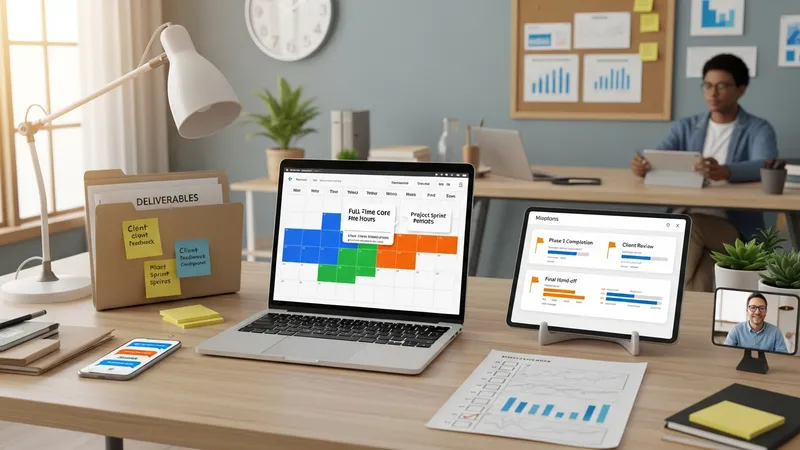
Performance assessment in these roles often emphasises task completion, adherence to agreed timelines, and quality of communication. For ongoing engagements, periodic reviews or checkpoint meetings may be used to discuss deliverables and refine workflows. For project-based work, milestone acceptance and final deliverable review typically determine perceived performance. Documentation of completed tasks and client feedback can help track progress and inform adjustments to scope or processes over time.
Professional development paths commonly involve expanding service scope, deepening technical competence, or refining niche specialisations. Workers may pursue targeted training in specific tools, bookkeeping principles, content strategy, or platform-specific skills to diversify the types of engagements they can undertake. Development is usually framed as a way to increase the range of roles a worker can perform, rather than as a guarantee of increased earnings or specific outcomes.
When planning work arrangements, it may be useful to consider trade-offs among flexibility, income stability, and depth of integration with a client. Part-time and project-based arrangements often afford flexibility and variety, whereas full-time roles may offer greater routine and alignment with organisational processes. These considerations can guide decisions about which engagement models to pursue or how to structure agreements and workflows with clients. This concludes the detailed exploration of virtual assistant roles and arrangements.